B&Bs vs Hotels: What's the Real Difference?
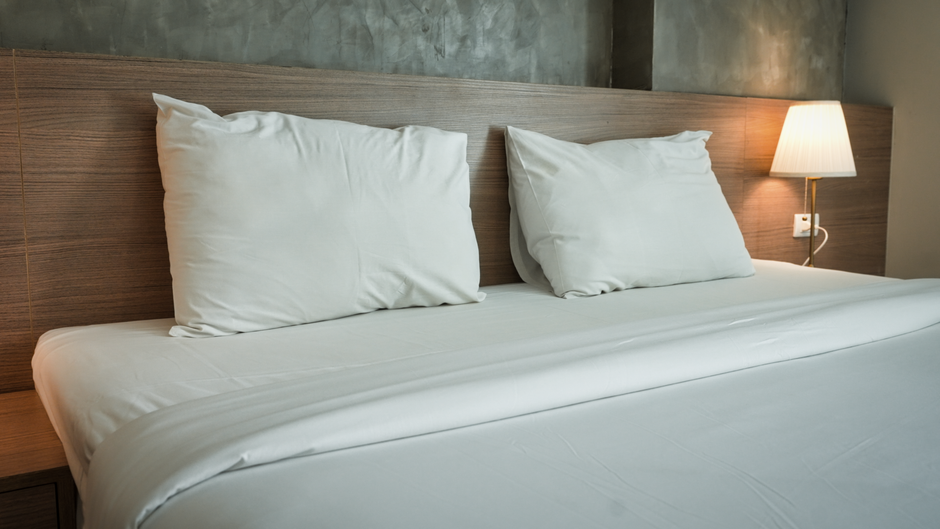
When planning a UK break, many people automatically book a hotel without considering whether a bed and breakfast might better suit their needs. Understanding the genuine differences helps you choose accommodation that enhances rather than simply houses your holiday.
Scale and atmosphere differ fundamentally. Hotels are businesses designed to accommodate hundreds of guests efficiently using standardised procedures. B&Bs are typically family-run, accommodating perhaps five to ten guests. This fundamental difference creates entirely different atmospheres. Hotels feel professional and impersonal; B&Bs feel personal and welcoming.
Breakfast experiences contrast sharply. Hotel breakfasts are often buffet-style, grab-what-you-want affairs. B&B breakfasts are typically cooked to order, often featuring local ingredients and homemade touches. This isn't just about food quality; it's about the experience of being looked after personally rather than serving yourself.
Host interaction matters considerably. Hotel staff follow protocols and maintain professional distance. B&B owners genuinely care about your experience and want you to enjoy their area. They provide local recommendations, remember your preferences, and create a home-like environment. This personal touch fundamentally changes the holiday experience.
Room standards vary between types. Budget hotels offer functional rooms with basic amenities. Budget B&Bs similarly provide simple accommodation. However, mid-range B&Bs often match or exceed mid-range hotel standards whilst offering significantly more character. Premium B&Bs frequently rival luxury hotels for comfort whilst maintaining personality.
Flexibility is a B&B advantage. Hotels have rigid check-in and check-out times, strict policies, and limited flexibility. B&Bs accommodate special requests much more readily. Need breakfast earlier? Want to check out late? Require something specific? B&B owners usually help, whilst hotels follow procedures.
Value for money typically favours B&Bs. For similar room quality, B&Bs cost less than hotels, particularly when breakfast is included. A £70 B&B with cooked breakfast often provides better value than a £90 hotel with a basic continental breakfast.
Location options differ. Hotels cluster in town centres and near transport hubs. B&Bs are found everywhere—countryside villages, coastal towns, suburban areas. This means B&Bs often offer unique locations unavailable for hotel accommodation, placing you closer to specific attractions or natural features.
Social opportunities vary. Hotels are transactional and isolating. B&Bs create opportunities to meet other guests and the host family, enriching your experience through human connection. If you prefer solitude, this might feel intrusive, but many find it a genuine highlight.
Amenities differ by type. Hotels offer gyms, room service, 24-hour reception, and business facilities. B&Bs typically offer simpler amenities but often include thoughtful touches like tea/coffee facilities, local information, or homemade biscuits. Neither is objectively better; it depends what you value.
Making the choice depends on your priorities. Choose hotels if you value anonymity, standardised comfort, and business facilities. Choose B&Bs if you want genuine hospitality, personal recommendations, and a more authentic local experience. Many holiday-makers find B&Bs offer superior value and more memorable experiences than hotels, even if they require slightly less convenience.